
What Separates a Profitable No-Code App From One That Never Takes Off

No-Code App Monetization: What 250,000 Bubble Apps Reveal
Bubble analyzed 250,000 no-code apps to uncover what separates profitable apps from the rest. Discover the 4 habits behind successful app monetization.
Key Takeaways
Bubble analyzed 250,000 live no-code apps, covering 11.9 million deploys and 233 million app edits
Nearly 1 in 3 monetized apps start charging on day one
The typical app processes its first transaction within 8 days of launch
Four consistent habits separate profitable apps from the rest: early monetization, continuous shipping, daily engagement, and building AI/expected features
Why Speed to Launch Isn't Enough for App Monetization
Everyone talks about how fast you can build an app today. No-code platforms like Bubble, combined with AI-assisted development, have nearly erased the barrier to shipping a working product. But speed to launch was never the hard part of building a no-code SaaS business. The hard part is turning that app into sustainable revenue.
Bubble's new Business of Building 2026 report set out to answer exactly that question. Rather than surveying builders about what they say works, the platform analyzed real behavior across 250,000 live apps, spanning 11.9 million deploys and 233 million app edits. The findings reveal a clear, repeatable pattern behind the apps that actually make money.
The 4 Habits Behind Profitable No-Code Apps
1. They Charge Early
Almost a third of monetized apps start charging users from day one. On average, a monetized Bubble app processes its first transaction within just 8 days of going live. This isn't accidental, it's a deliberate go-to-market strategy. Putting a real price in front of real users immediately answers the only question that matters early on: will anyone actually pay for this product?
2. They Keep Shipping After Launch
Profitable apps treat launch as the starting line, not the finish line. Successful builders continue iterating based on direct user feedback, refining features and fixing friction points based on real usage data rather than internal assumptions.
3. They Show Up Daily
Consistency outperforms intensity. The data shows that active, near-daily engagement with an app, testing changes, responding to bugs, refining workflows, correlates strongly with monetization success. Sporadic, large development bursts don't produce the same results as steady, ongoing attention.
4. They Build What Users Expect, Even When It's Risky
The most successful no-code builders don't cut corners on features users expect, including AI-powered functionality. They invest in delivering these capabilities even when it adds engineering risk or infrastructure cost, because meeting user expectations is what separates a real business from a side project.
What This Means for No-Code Founders
For founders, indie hackers, and teams building MVPs on no-code platforms, this report is a practical reality check. It's tempting to treat monetization as a "later" problem, something to solve once the product feels polished enough. But the data points the other way: charge early, use pricing as a feedback signal, and let real user behavior, not internal assumptions, shape your product roadmap.
Frequently Asked Questions
How soon should a no-code app start charging users? Based on Bubble's data, the most successful apps start charging within days of launch. The typical monetized app processes its first transaction within 8 days.
What separates a profitable no-code app from one that isn't? Four consistent habits: charging early, shipping continuously, engaging with the app daily, and building features users expect even when they're costly or complex.
Where can I read the full report? The complete findings, methodology, and predictions are available in Bubble's Business of Building 2026 report.
Related articles
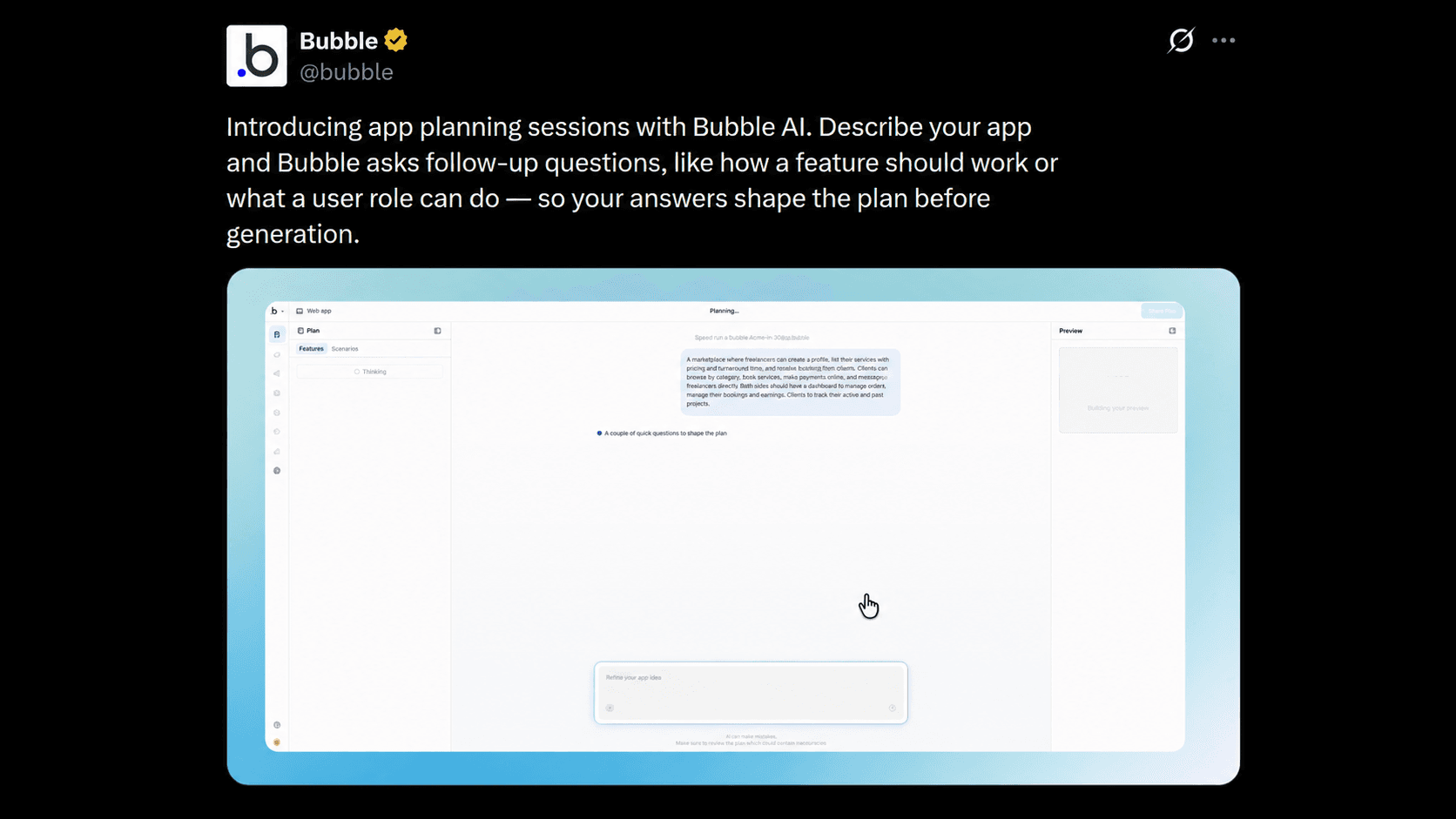
Bubble Just Made AI App Building a Lot More Collaborative
Bubble's new app planning sessions let AI ask clarifying questions about your features and user roles before generating anything -- turning app generation into a real conversation instead of a guessing game.
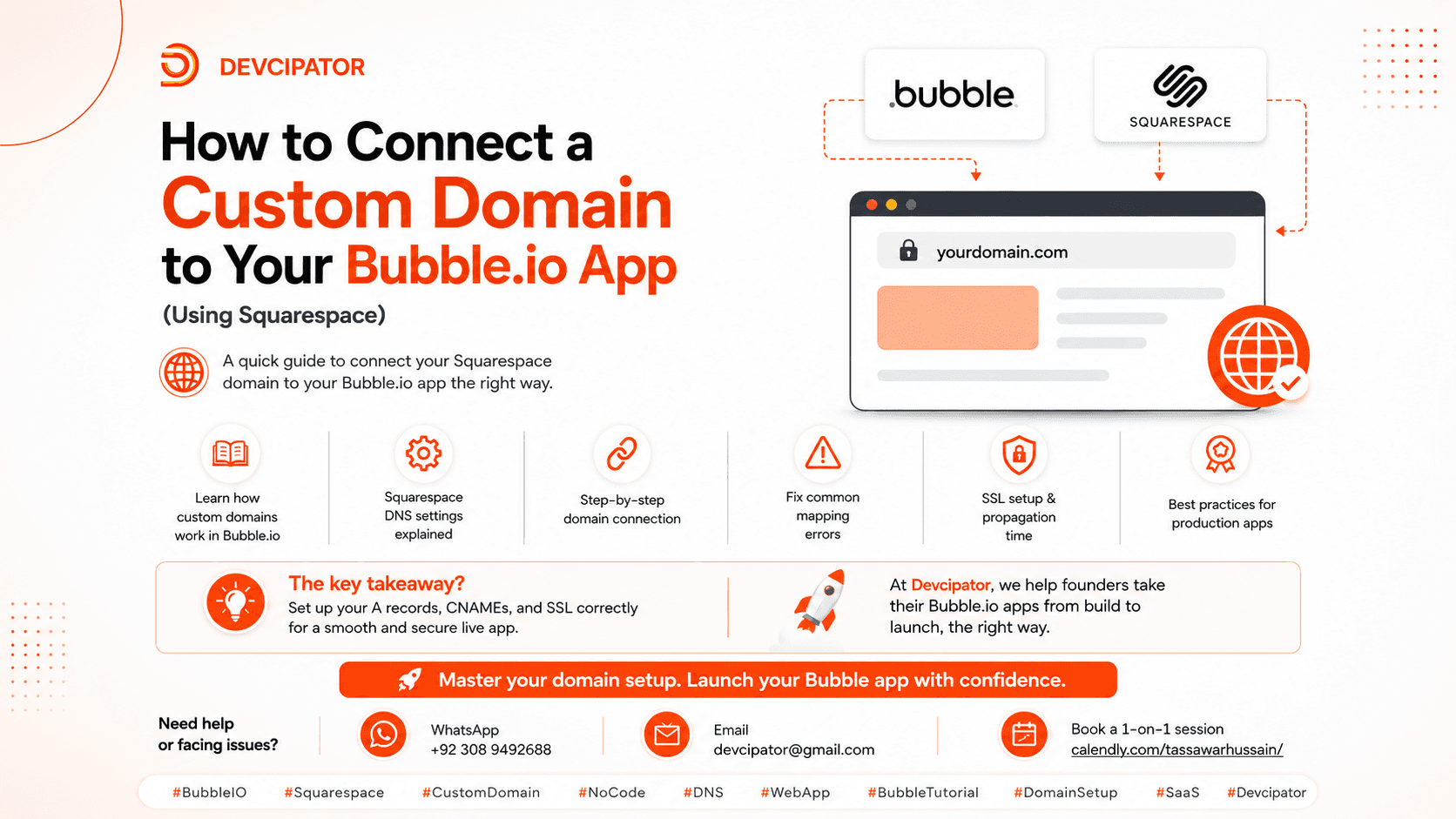
How to Connect a Custom Domain to Your Bubble.io App (Using Squarespace)
Launching your Bubble.io app is only half the job - going live with a custom domain is what makes it feel like a real product. Here's exactly how to connect a Squarespace-registered domain to your Bubble.io app, from DNS records to SSL setup.