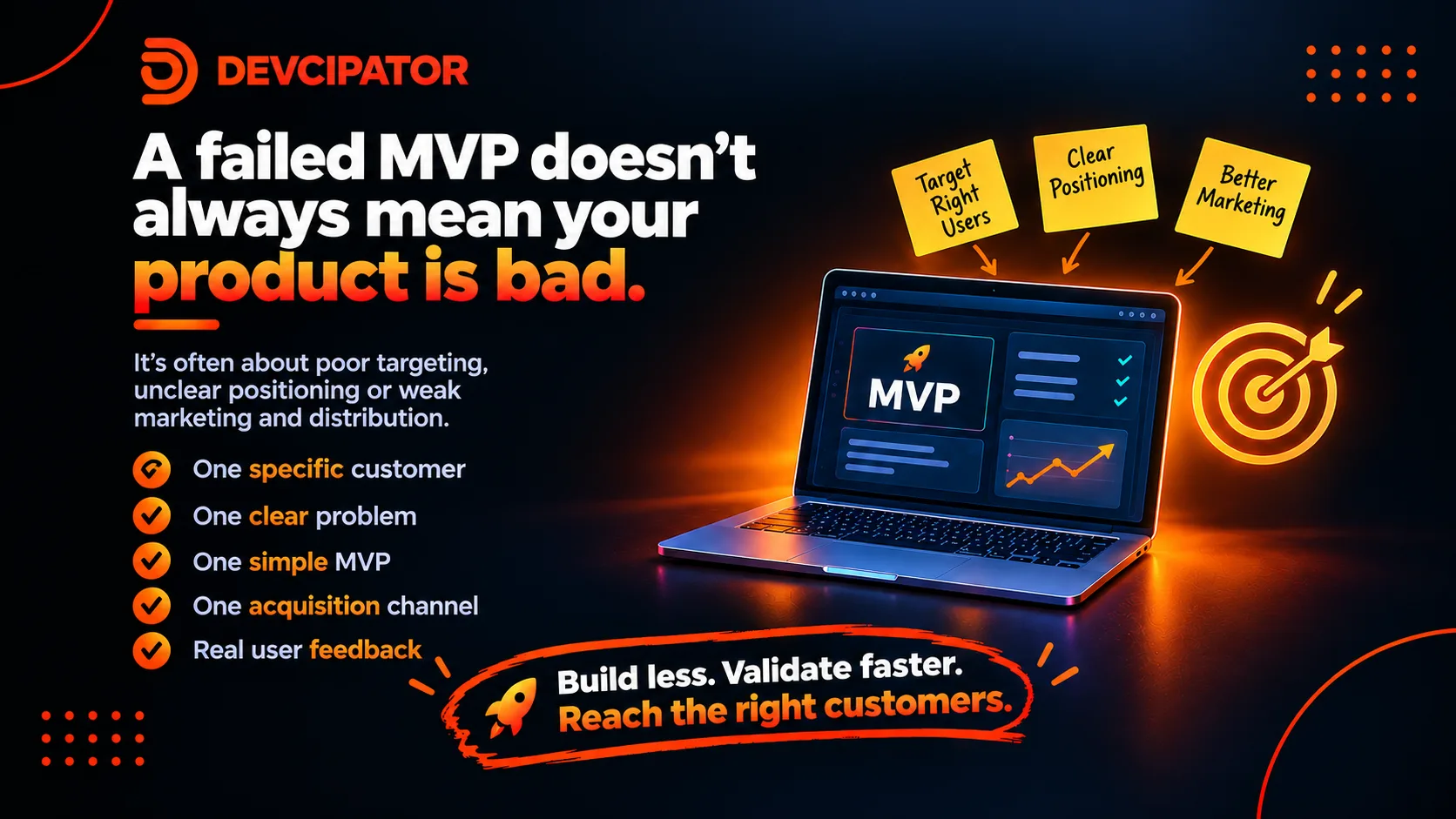
A failed MVP doesn't always mean your product is bad. Sometimes the real issue is poor customer targeting, unclear positioning, or weak marketing and distribution.
Many founders describe their audience like this:
"Small businesses."
"Freelancers."
"Startups."
These are broad categories, not specific customer profiles. When you try to serve everyone, your message becomes generic, your product loses focus, and nobody feels like it was built for them.
One specific target customer Know exactly who they are, what they do, and where they spend their time.
One clear problem to solve Pick the pain point that matters most to that customer.
One simple MVP Build only what's needed to solve that problem.
One reliable acquisition channel Find a single way to consistently reach your customers before you try to be everywhere.
Real user feedback and validation Let actual users, not assumptions, guide what you build next.
Adding more features won't fix an MVP that isn't reaching the right customers.
If the wrong people are seeing your product, or the right people can't tell what it does for them, extra functionality only adds cost and complexity. It doesn't add traction.
Successful MVP development is about learning quickly, validating your idea, and solving a real problem for a specific audience. Your first version isn't meant to be perfect. It's meant to teach you what works.
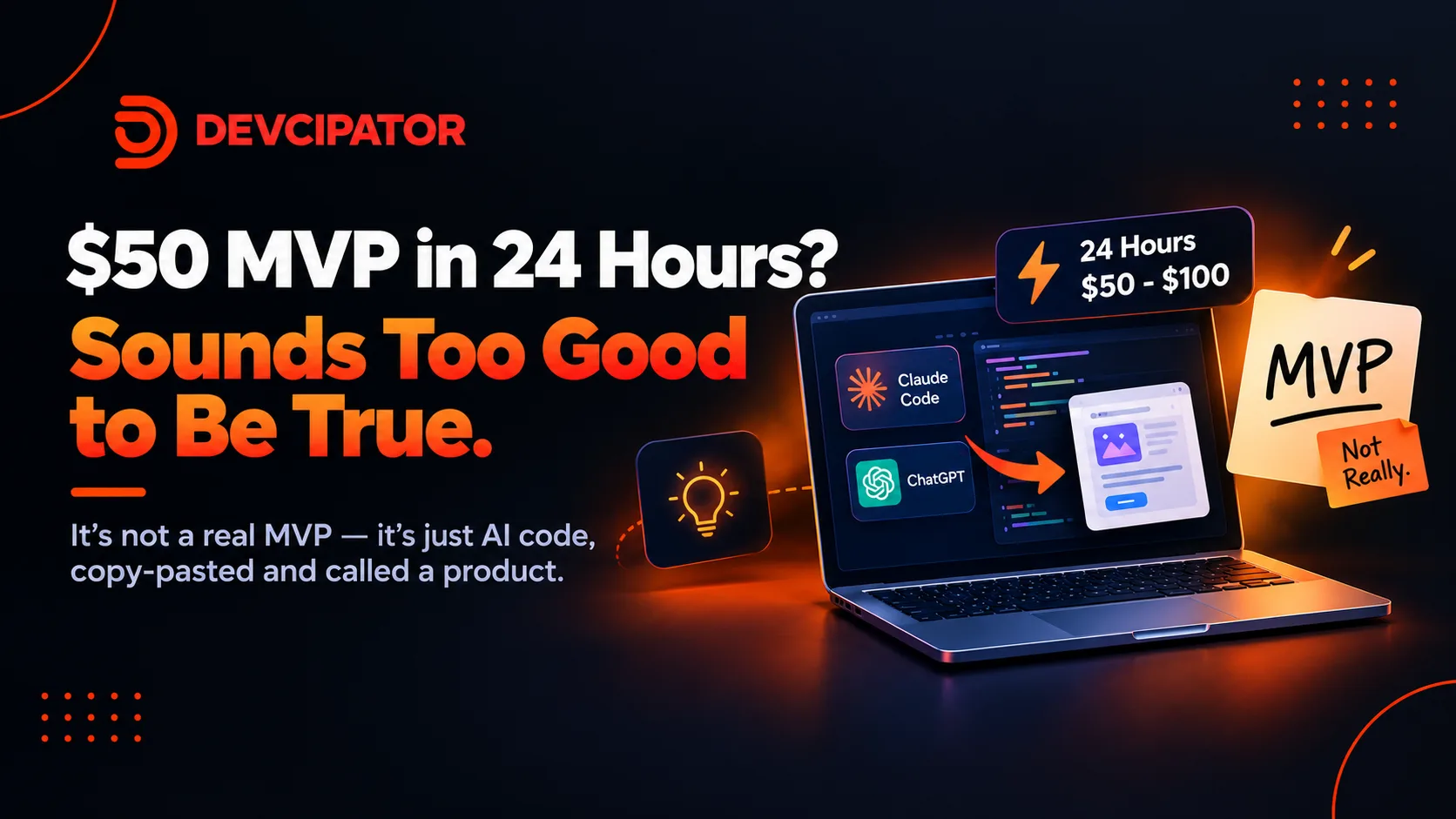
Promises to build your MVP in 24 hours for $50 aren't building anything. They're running your idea through Claude Code and ChatGPT and calling the output a product. Here's why that's a problem and what to ask before you pay for one.
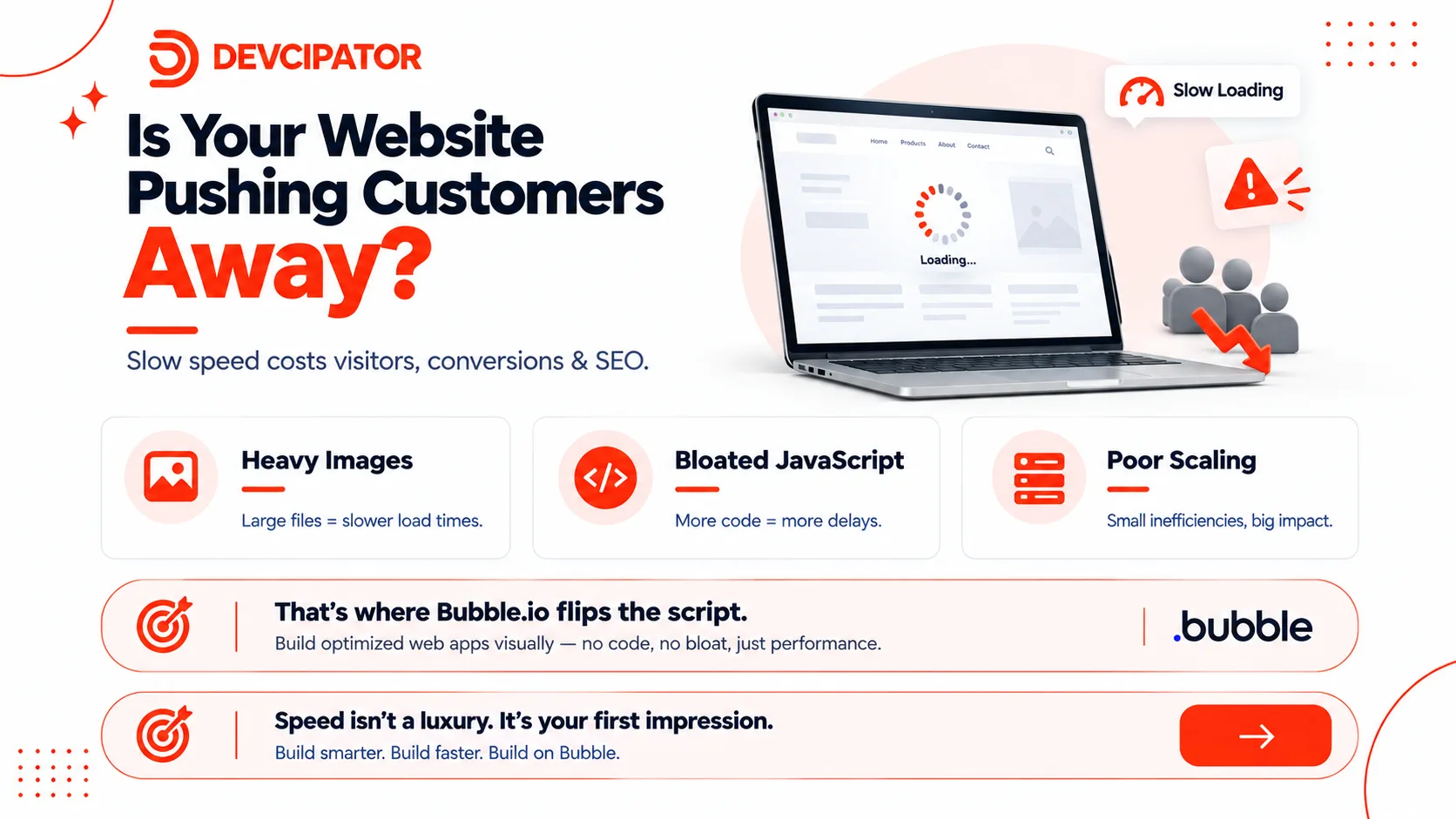
Every extra second of load time is a small tax on your business, paid in lost visitors, lower conversions, and a quieter search ranking.
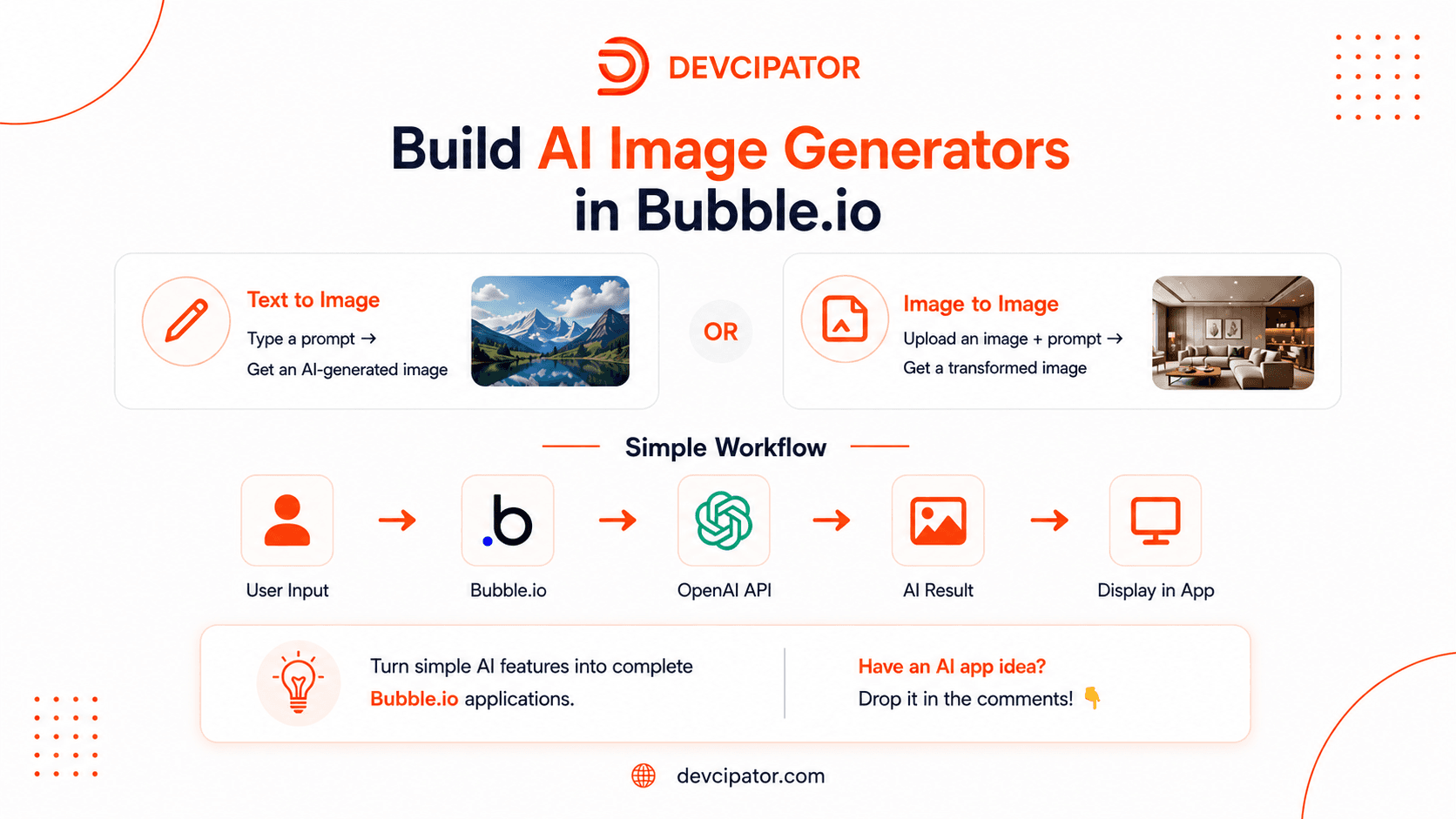
Learn how to integrate OpenAI's image generation API with Bubble.io to build powerful AI image features -- no traditional coding required. This tutorial covers both text-to-image and image-to-image workflows.
